
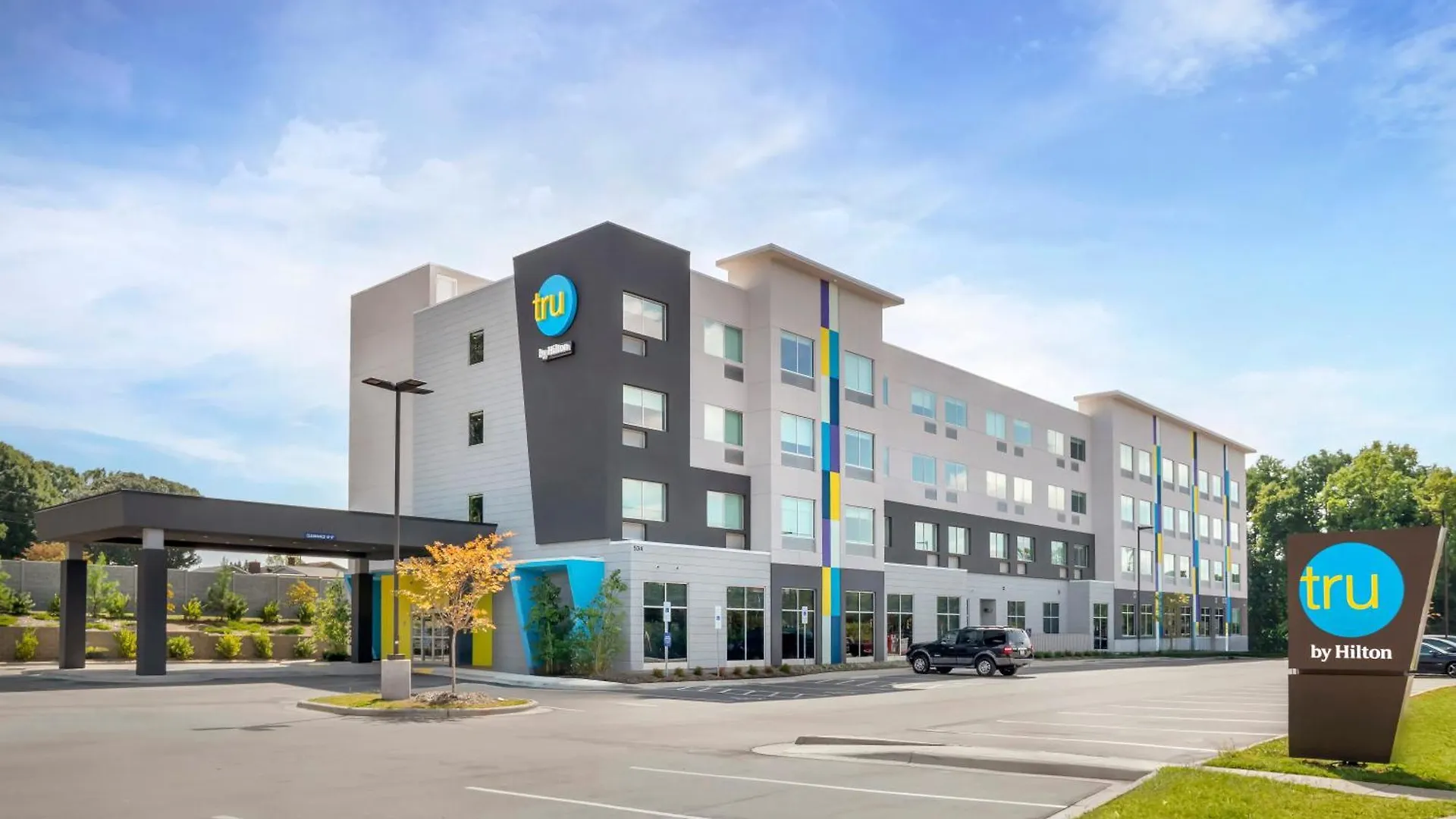
Tru by Hilton is a modern 3-star brand built around open lobbies, compact well-designed rooms, and consistent amenities - including free WiFi, fitness centers, and daily breakfast - at a price point that undercuts full-service hotels without sacrificing reliability. Across the United States, the brand operates in mid-size cities, suburban corridors, and gateway towns where other hotel brands are either overpriced or inconsistent. This guide covers 15 Tru by Hilton locations from Florida to Michigan, Virginia to California, helping you identify which property fits your route and travel goals.
What It's Like Staying in the United States
The United States spans six time zones and contains landscapes ranging from the Florida Everglades and Appalachian ridgelines to the Great Lakes shoreline and California's Central Valley - meaning where you stay dramatically shapes your experience. Mid-size American cities like Tallahassee, Dayton, and Staunton offer direct access to regional culture, universities, and historic sites without the congestion and pricing pressure of major metros. Domestic travel in the US peaks hard in summer and around federal holidays, when interstate corridors and suburban hotel clusters fill up fast, especially near amusement parks, university towns, and event venues.
Travelers coming from Europe or Asia often underestimate driving distances - even suburban hotels listed as near a city can be 30 km from the center, which is standard and manageable by car but impractical without one. Around 90% of Tru by Hilton locations include free private parking, which makes them especially practical for road-trippers and families traveling by vehicle across state lines.
Pros:
- Enormous geographic variety within a single country - mountains, coastlines, and plains all accessible by car or short flight
- Consistent hotel infrastructure across suburban and mid-size city markets, with reliable brand standards
- Free parking is standard at most mid-scale US hotels, reducing total trip costs significantly
Cons:
- A car is essential in most mid-size US cities - public transit is limited or nonexistent outside major metros
- Hotel clustering near highway exits means some properties feel removed from walkable dining or attractions
- Peak-season pricing in popular corridors can spike sharply, especially near college towns during graduation or sports events
Why Choose a Tru By Hilton Hotel in the United States
Tru by Hilton was designed specifically for the value-conscious US traveler who wants brand consistency without paying for amenities they won't use. Every property in the brand follows the same format: compact rooms with smart storage, a large communal lobby with work and lounge zones, a fitness center, and a breakfast program - all at rates that typically run significantly below full-service Hilton or DoubleTree properties in the same market. In most mid-size US cities, a Tru by Hilton room comes in at under $130 per night, while comparable branded hotels in the same area average closer to $180.
The brand's open-lobby concept is one of its strongest differentiators - it functions as a co-working space, social area, and lounge simultaneously, which is genuinely useful for business travelers or groups who need flexible space outside their rooms. Room sizes are intentionally compact, typically around 25 square meters, which is a real trade-off for families or extended stays but keeps nightly rates low. Breakfast is included or available at most US locations, with buffet, continental, and American options depending on the property.
Pros:
- Predictable brand standards across all US locations - no guesswork on WiFi quality, bed setup, or check-in hours
- Hilton Honors points accrue on every stay, making it practical for frequent US road-trippers
- Indoor pools available at several locations add value for families without a significant rate increase
Cons:
- Room size is intentionally minimal - not suitable for long stays requiring workspace beyond a desk
- Most locations are suburban, meaning dining options within walking distance are limited to fast-casual chains
- No full-service restaurant or bar on-site at most properties - room service is limited where available
Practical Booking & Area Strategy for Tru By Hilton in the US
Choosing the right Tru by Hilton location depends almost entirely on your travel corridor and the attractions or cities you plan to visit. Properties in Gastonia (NC) and Wake Forest position you within around 30 km of Charlotte's major venues - Bank of America Stadium, Spectrum Center, and the NASCAR Hall of Fame - at rates well below Charlotte's city-center hotels. Virginia properties in Ashland, Staunton, and Farmville each serve different travel purposes: Ashland puts you 12 km from Kings Dominion and under 30 km from Richmond, Staunton sits at the gateway to Shenandoah Valley, and Farmville is a quiet college-town base near Longwood University.
For Florida travelers, Tallahassee Central and Port St. Lucie cover opposite ends of the state - Tallahassee for the Panhandle and FSU corridor, Port St. Lucie for Treasure Coast access without paying Boca or Palm Beach pricing. The Ohio and Michigan cluster - Beavercreek near Dayton, Monroe between Detroit and Toledo, and Novi west of Detroit - makes these properties logical overnight stops on I-75 or I-94 road trips. Book at least 3 weeks in advance for summer stays near university towns or event venues, as Tru properties in those markets sell out faster than their suburban highway counterparts.
Tru By Hilton Hotels in the Southeast US
The Southeast cluster covers North Carolina, Virginia, and Florida - a corridor that handles everything from college-town layovers to coastal gateway stays and Charlotte metro access.
-
1. Tru By Hilton Gastonia
Show on map


 Check-infrom 15:00 until 23:59Check-outuntil 11:00
Best price guarantee
fromUS$ 178
-
2. Tru By Hilton Wake Forest Raleigh North
Show on map


 Check-infrom 16:00 until 23:59Check-outuntil 11:00
Hurry – almost gone at this price!
fromUS$ 143
-
3. Tru By Hilton Wilson
Show on map


 Check-infrom 15:00 until 23:59Check-outuntil 11:00
Just a few rooms left at the best rate!
fromUS$ 120
-
4. Tru By Hilton Staunton
Show on map


 Check-infrom 15:00 until 23:59Check-outuntil 12:00
Just a few rooms left at the best rate!
fromUS$ 169
-
5. Tru By Hilton Ashland, Va
Show on map


 Check-infrom 15:00 until 23:59Check-outuntil 12:00
Just a few rooms left at the best rate!
fromUS$ 146
-
6. Tru By Hilton Farmville Va
Show on map


 Check-infrom 15:00 until 23:59Check-outuntil 12:00
Best price guarantee
fromUS$ 95
-
7. Tru By Hilton Tallahassee Central
Show on map


 Check-infrom 16:00 until 23:59Check-outuntil 11:00
Best price guarantee
fromUS$ 147
-
8. Tru By Hilton Port St Lucie Tradition
Show on map


 Check-infrom 15:00 until 23:59Check-outuntil 11:00
Rooms filling fast – secure the best rate!
fromUS$ 118
Tru By Hilton Hotels in the Midwest, Texas & California
This cluster spans Ohio, Michigan, Indiana, Texas, and California - covering I-75 road trip corridors, Detroit suburban access, South Texas border markets, and California's Central Valley.
-
9. Tru By Hilton Beavercreek Dayton
Show on map


 Check-infrom 15:00 until 23:59Check-outuntil 11:00
Hurry – almost gone at this price!
fromUS$ 174
-
10. Tru By Hilton Monroe, Mi
Show on map


 Check-infrom 15:00 until 23:59Check-outuntil 12:00
Best price guarantee
fromUS$ 106
-
11. Tru By Hilton Novi Detroit
Show on map


 Check-infrom 15:00 until 23:59Check-outuntil 12:00
Best price guarantee
fromUS$ 112
-
12. Tru By Hilton Saint Joseph
Show on map


 Check-infrom 15:00 until 23:59Check-outuntil 11:00
Rooms filling fast – secure the best rate!
fromUS$ 144
-
13. Tru By Hilton Warsaw, In
Show on map


 Check-infrom 15:00 until 23:59Check-outuntil 11:00
Hurry – almost gone at this price!
fromUS$ 122
-
14. Tru By Hilton Edinburg
Show on map


 Check-infrom 15:00 until 23:30Check-outuntil 12:00
Rooms filling fast – secure the best rate!
fromUS$ 99
-
15. Tru By Hilton Lathrop
Show on map


 Check-infrom 15:00 until 23:30Check-outuntil 12:00
Just a few rooms left at the best rate!
fromUS$ 155
Smart Travel Timing for Tru By Hilton Stays Across the US
Timing a Tru by Hilton stay in the United States depends heavily on which region you're visiting. Florida properties in Tallahassee and Port St. Lucie see their highest demand from January through April, when snowbirds from the Northeast and Midwest drive up occupancy along the I-95 corridor - book those at least 4 weeks ahead during that window. Virginia and North Carolina properties spike in May around university graduation season, and again in October when fall foliage draws Shenandoah Valley and Blue Ridge visitors to the Staunton and Ashland markets.
The Midwest cluster - Dayton, Monroe, and Novi - runs most predictably year-round, with the exception of August and September when air show season around Dayton (near Wright-Patterson Air Force Base) drives short but sharp demand surges. Summer weekends in Southwest Michigan near Saint Joseph sell out quickly as Chicago-area travelers head to Lake Michigan, so book that property at least 3 weeks in advance between June and August. For road-trip corridor hotels like Wilson (NC), Warsaw (IN), and Monroe (MI), last-minute bookings are usually possible outside of holiday weekends - but Hilton Honors members should check member rates first, as they consistently undercut the public rack rate.


