
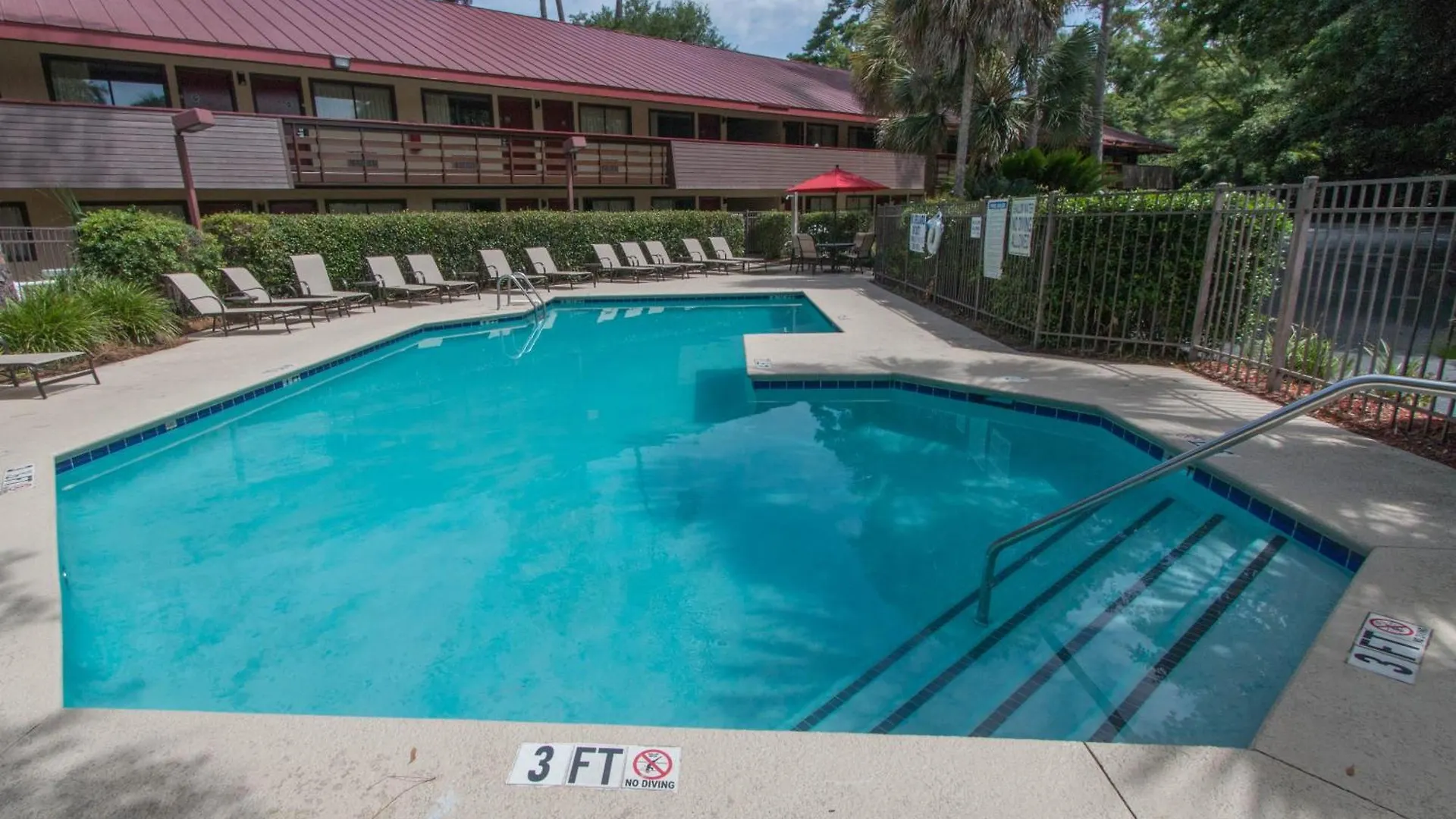
Lowcountry, South Carolina stretches across a coastal landscape of barrier islands, tidal marshes, and historic towns - and choosing where to base yourself here shapes your entire trip. Whether you're targeting the beachfront communities of Isle of Palms, the resort-driven Hilton Head Island, or the private luxury of Kiawah Island, central positioning means faster access to beaches, wildlife refuges, and Lowcountry's iconic waterways. This guide breaks down the most strategically located hotels across the region to help you book with confidence.
What It's Like Staying in Lowcountry
Lowcountry is defined by its geography - a chain of sea islands connected by causeways, where distances between beach, town, and attraction are almost always measured by bridge crossings rather than city blocks. A car is essentially non-negotiable for navigating between islands, though within communities like Isle of Palms or Hilton Head, cycling is genuinely practical. Crowd patterns shift dramatically by season: Hilton Head alone draws around 2.5 million visitors annually, concentrated between Memorial Day and Labor Day, while the shoulder seasons offer a noticeably quieter, more affordable experience.
Pros:
- Direct beach access from most central island properties, often within a short walk or bike ride
- Strong variety of accommodation types - from boutique inns to private beach villas - suited to different group sizes
- Proximity to nationally significant sites including Fort Sumter, Pinckney Island National Wildlife Refuge, and Patriots Point
Cons:
- No public transit network between islands - every inter-island trip requires a car or rideshare
- Peak summer prices on Hilton Head and Kiawah Island are among the highest in the Southeast
- Remote island communities have limited late-night dining and entertainment options outside of resort corridors
Why Choose Central Hotels in Lowcountry
Central hotels and villas in Lowcountry are positioned to minimize driving while maximizing access to the specific island's beaches, golf courses, and nature reserves - a meaningful advantage in a region where a wrong location can add around 40 minutes of daily driving. Unlike resort perimeter stays, centrally located properties on Hilton Head or Isle of Palms place guests within easy reach of grocery stores, local restaurants, and beach access points without relying entirely on resort shuttles. Private pool villas at this positioning frequently offer more square footage than comparable hotel rooms at a similar or lower nightly rate, making them especially competitive for families or groups of four or more.
Pros:
- Reduced daily driving - central island properties keep beaches, dining, and shops within a few minutes
- Private pool villas provide resort-level amenities with greater space and kitchen independence
- Central Hilton Head properties sit close to both the beach and Hilton Head Airport, cutting transfer time
Cons:
- Centrally located villas often require minimum stays of 3 to 7 nights, limiting flexibility for short trips
- Properties on private islands like Kiawah require gate access, which can complicate visitor logistics
- Budget options at central locations are limited - most well-positioned properties skew mid-range or above
Practical Booking & Area Strategy
Isle of Palms offers the most accessible central positioning for travelers flying into Charleston International Airport, sitting around 35 km from the terminal - roughly a 35-minute drive without traffic. Hilton Head Island operates its own regional airport, making it the most self-contained destination in the region, with central island hotels reachable in under 10 minutes from the terminal. Kiawah Island is the most exclusive of the three main islands, requiring gate access and offering fewer last-minute availability windows - book at least 6 weeks ahead for summer stays. For non-beach activities, central Hilton Head places guests within reach of Pinckney Island National Wildlife Refuge, 20 km north, and the broader network of over 100 km of bike paths that thread through the island's resort communities and maritime forest.
Best Value Stays
These centrally located properties deliver strong positioning on their respective islands at accessible price points, with practical amenities suited to both families and small groups.
-
1. Red Roof Inn Hilton Head Island
Show on map


 Check-infrom 16:00 until 23:59Check-outuntil 11:00
Just a few rooms left at the best rate!
fromUS$ 123
-
2. 510 Mainsail
Show on map


 Check-infrom 16:00 until 23:59Check-outuntil 10:00
Just a few rooms left at the best rate!
fromUS$ 452
Best Premium Stays
These larger properties and beachfront villas deliver the most immersive Lowcountry experience, with private pools, direct beach proximity, and generous living space suited to groups or extended stays.
-
3. Av3-39: 3 39Th Avenue
Show on map


 Check-infrom 16:00 until 23:59Check-outuntil 10:00
Hurry – almost gone at this price!
fromUS$ 1275
-
4. 3108 Palm By Avantstay
Show on map


 Check-infrom 16:00Check-outuntil 10:00
Rooms filling fast – secure the best rate!
fromUS$ 5157
- Show on map
Best price guarantee
Smart Travel & Timing Advice
The Lowcountry beach season peaks sharply between late May and late August, when Isle of Palms and Hilton Head see the highest occupancy and nightly rates climb across all property types - beachfront villas in particular can see rates increase by around 60% compared to spring shoulder season. March through May offers the strongest balance of warm weather, manageable crowds, and mid-range pricing, especially for Kiawah Island properties that move fast in summer. For Hilton Head stays, booking at least 8 weeks ahead for July is standard practice among repeat visitors; last-minute availability is rare and expensive. September and October see crowd levels drop significantly while water temperatures remain swimmable, making them the most underrated window for a Lowcountry stay. A minimum of 4 nights is the practical threshold for any multi-island itinerary that includes Fort Sumter, Patriots Point, and a full beach day.


